Review: 3D Layered Dragonfly Papercut Insect SVG3 for Embroidery
As a designer who spends more time staring at stitch maps than most people care to admit, I approach every new digital embroidery file with a mix of curiosity and skepticism. When I first opened the 3D Layered Dragonfly Papercut Insect SVG3, my initial reaction wasn't about how it would look on a screen, but how it would translate from a vector concept into thread. The description mentions it is perfect for home decor and nursery art, which is true for paper crafters, but for us embroidery professionals, the real question is whether this intricate, layered aesthetic can survive the tension of a needle and the texture of fabric without losing its charm.
The Visual Personality and Design Mood
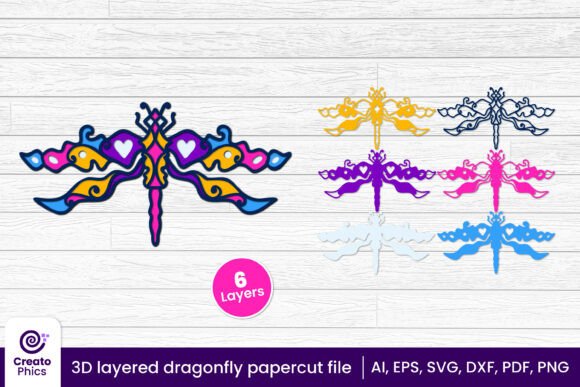
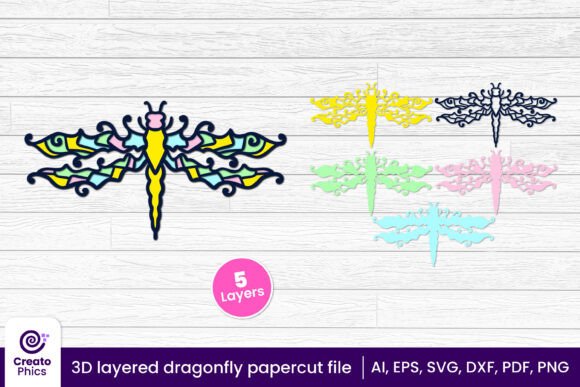
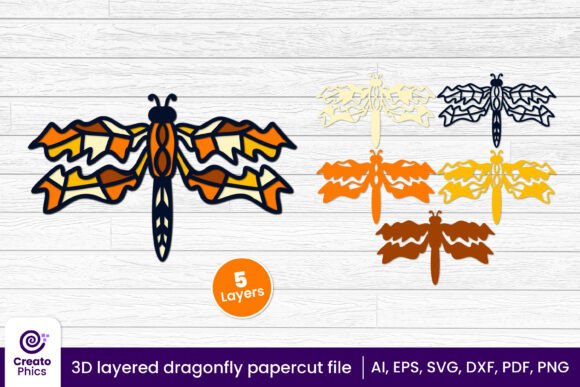
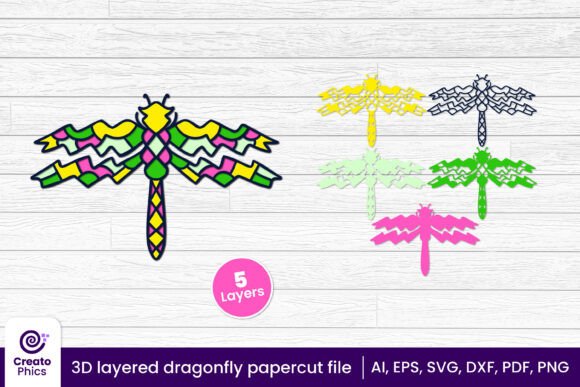
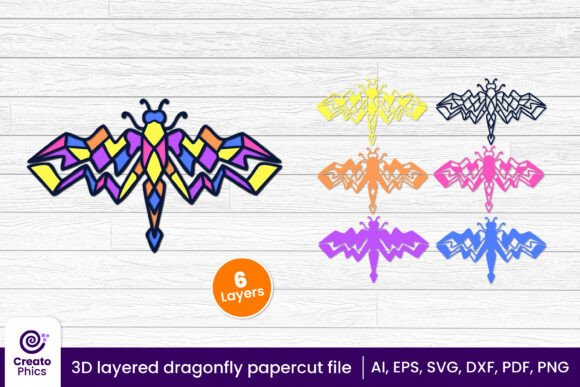
The first thing that strikes you about this design is its architectural quality. Unlike standard flat insect motifs that rely solely on satin columns or simple fill patterns, this piece mimics the depth of a papercut silhouette. It creates a mood that is both whimsical and sophisticated. The layout suggests a modern, boutique feel rather than a traditional or rustic one. This visual personality makes it an excellent candidate for projects where you want to elevate the perceived value of the handmade product. It feels less like a generic clipart application and more like a custom illustration.
However, translating a "papercut" style into embroidery requires careful consideration of stitch density. In paper, layers are physical gaps; in embroidery, they are often simulated through underlay, varying stitch angles, or actual applique techniques. If you are planning to use this as a standard machine embroidery design, you need to assess if the software or the file itself provides distinct color stops for each layer. If it relies on dense fill stitches to create the illusion of shadow and depth, you must be wary of stiffness, especially on wearable items.
Real-World Application: The Boutique Tote Bag Scenario
To give you a practical perspective, let's walk through a real-life scenario. Imagine a client approaches your small shop requesting a custom tote bag for a local botanical garden fundraiser. They want something that stands out but isn't overly childish. This is where the 3D Layered Dragonfly Papercut Insect SVG3 shines. Placed centrally on a heavy canvas tote, the design's geometric layers can be executed with high-quality rayon or polyester threads to catch the light differently across the "layers."
In this context, the design acts as a focal point. A customer browsing an Etsy seller's shop or walking through a craft fair is likely to stop and examine the texture. The complexity implies effort, which justifies a higher price point for your small shop product. However, if you were to place this same design on a thin, stretchy t-shirt, you might run into trouble. The weight of the multiple layers could cause the fabric to pucker or sag over time, ruining the crisp lines that define the papercut look. For apparel, I would strongly recommend limiting this to structured garments like denim jackets, sturdy sweatshirts, or caps where the fabric can support the weight of the stitching.
Navigating Fabric Textures and Hoop Constraints
One of the critical aspects of using complex Animals category designs is understanding where they fail. While this dragonfly is stunning, it demands respect regarding hoop size and fabric choice. If your machine has a smaller hoop capacity, you might find that the full span of the dragonfly's wings exceeds your limits, forcing you to scale it down. Shrinking this design too much is risky; the fine details that separate the "layers" could merge into a solid blob of thread, losing the very feature that makes it unique.
Furthermore, consider the fabric texture. On a fluffy towel or a textured knit, the clean edges of a papercut style can get lost. The definition between the layers relies on sharp transitions. If you are working on dark fabric, ensure your thread colors have enough contrast not just against the background, but against each other. A monochromatic scheme might look elegant in theory, but without sufficient tonal variation, the 3D effect will vanish under studio lighting. Always test your stabilizer choice rigorously. For a design with this much potential coverage, a cut-away stabilizer is often safer than tear-away to prevent distortion after washing.
Commercial Viability and Brand Consistency
For commercial embroidery professionals and creative entrepreneurs, consistency is key. If you plan to sell this as part of a collection of design assets or finished goods, you need to verify the licensing terms immediately. Just because a file is available for purchase does not automatically grant unlimited commercial rights for every type of product. Before listing a personalized gift featuring this dragonfly on your website, confirm that the license covers physical goods versus digital redistribution.
From a branding perspective, this design fits well within niches focused on nature, mindfulness, and modern aesthetics. It works beautifully for nursery decor, provided it is stitched onto a stable medium like a pillow cover rather than a mobile that requires extreme lightness. For holiday embroidery or wedding gifts, the dragonfly symbolizes change and self-realization, adding a layer of meaning that resonates with buyers. However, avoid using it on items that require frequent, harsh washing, such as kitchen aprons or gym wear, unless you are confident in the durability of the stitch count and density.
Practical Notes for the Serious Stitcher
Before committing to a production run, here are my professional recommendations for handling this specific file:
- Test on Scrap First: Never skip the sample stitch-out. Use the exact fabric and stabilizer combination you intend to use for the final finished product.
- Check Color Contrast: View your test stitch-out in black and white (or take a photo and desaturate it) to ensure the layers are distinguishable without relying on color alone.
- Inspect Small Details: Look closely at the wing tips and body segments. Are there any loose jumps or excessive trims that could compromise durability?
- Verify File Compatibility: Ensure the format matches your machine. While it is described as an SVG for cutting, if you are adapting it for embroidery software, check that the conversion maintains the integrity of the 3D SVG layers.
- Consider Applique Options: If the digitized fill is too dense, consider converting certain layers into an applique design using fabric scraps to reduce bulk while maintaining the layered look.
Ultimately, the 3D Layered Dragonfly Papercut Insect SVG3 is a powerful tool in a designer's arsenal, but it is not a one-size-fits-all solution. It rewards those who understand the interplay between thread, fabric, and form. When used correctly on appropriate materials like tote bags, structured patches, or home decor pillows, it can significantly boost customer engagement and brand perception. But like any detailed embroidery project, it demands preparation and a keen eye for detail. Treat it with the respect a complex design deserves, and it will become a staple in your portfolio of custom apparel and decorative items.