Review: 3D Malibu Beach Club Layered SVG Stand
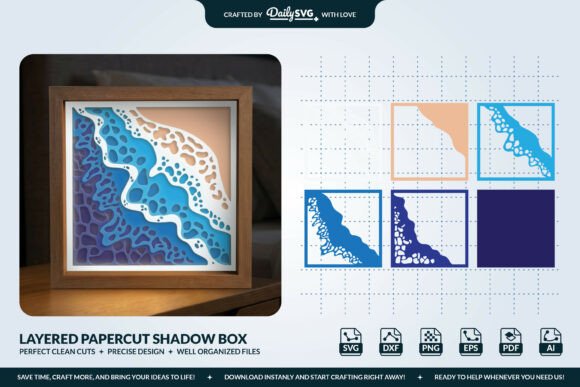
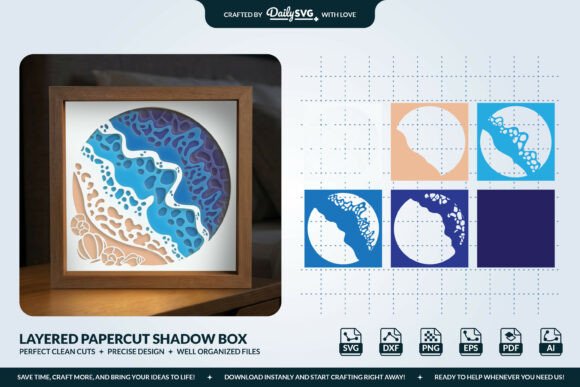
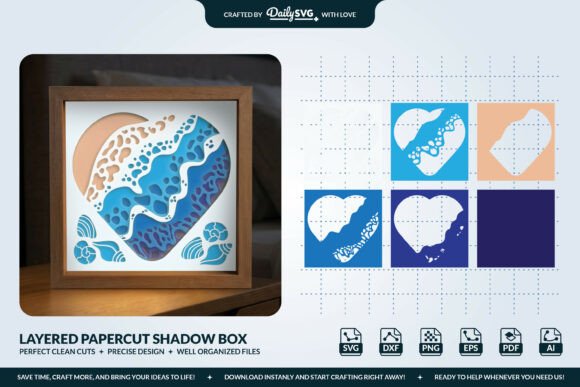
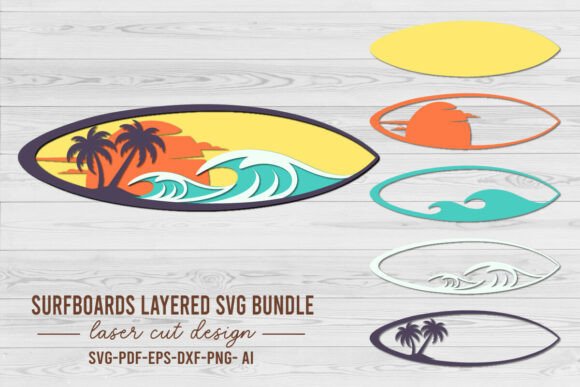
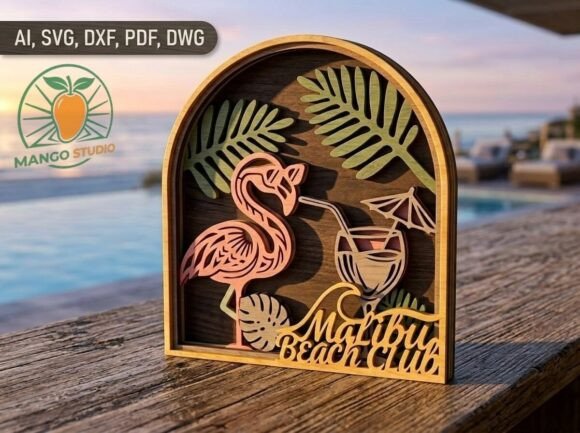
As a designer who spends more time staring at stitch maps than most people spend watching TV, I approach new files with a mix of excitement and skepticism. When I first pulled up the 3D Malibu Beach Club Layered SVG Stand, my initial reaction wasn't just about the aesthetic; it was about potential application. The description markets this as a premium, high-end 6-layer digital vector file masterfully engineered for precision laser cutting and CNC manufacturing. While that sounds fantastic for wood or acrylic crafts, my mind immediately went to a different place: how does this translate to the embroidery project world? Can we adapt this layered depth for thread work, or is it strictly a Laser Cutting asset?
The visual personality of this design screams Summer. It evokes images of sunset cocktails, retro signage, and coastal relaxation. For an embroidery designer, this mood is gold. We are constantly looking for designs that capture a specific vibe without feeling cliché. The layout suggests a strong central motif with supporting layers that could easily be interpreted as satin stitch borders, fill stitch backgrounds, or even complex appliqué layers if adapted correctly. However, before you rush to digitize this or purchase it for a client order, we need to talk about the reality of translating a 6-layer vector stand into a stitched finished product.
Visualizing the Stitch-Out Potential
Let's get into a real-world scenario. Imagine a client comes to your small shop asking for a custom tote bag for a beach-themed bridal party or a boutique hotel gift shop. They want something that feels upscale but fun. This is where the 3D Malibu Beach Club Layered SVG Stand concept shines. If you are using this as a reference for digitizing, or if you have access to an embroidered version of this layered look, the depth is crucial.
In embroidery, "layers" usually mean managing stitch density and underlay. A design like this, with its implied depth, would require careful planning of thread colors to ensure separation between the elements. If the original vector relies on physical stacking (as in laser-cut wood), the embroidery version needs to simulate that through shading and texture. I envision this working beautifully as a large back-piece on a denim jacket or a centered chest logo on a heavy-weight sweatshirt. The bold lines likely translate well to satin stitch columns, while the interior details could benefit from a textured fill stitch to mimic the grain or material feel of the original craft intent.
For Etsy sellers and creative entrepreneurs, the appeal here is the "handmade product" quality. Customers love items that look intricate. If you can successfully adapt the layered nature of this design into an applique design—perhaps using felt or leather layers stitched down with a tight zigzag—you create a tactile experience that flat embroidery can't match. This elevates the perceived value of your custom apparel or embroidered patch significantly.
Practical Considerations for Real Projects
However, enthusiasm must be tempered with technical reality. Not every surface is ready for a complex design inspired by a multi-layer stand. If you are planning to use this motif on a baby embroidery project, such as a onesie or a soft blanket, you must be wary of stitch density. High-density designs can make fabric stiff and uncomfortable against sensitive skin. In this case, simplifying the layers or using lighter weight threads is essential.
Similarly, consider the hoop size. Designs with intricate layering often require a larger workspace to maintain proportion. Trying to shrink a detailed, multi-element design like the Malibu Beach Club theme into a 4x4 hoop for a cap front might result in lost details and merged stitches. Tiny lettering or fine corners, common in retro club signage, can easily turn into a bird's nest of thread if the scale isn't right. Always test the design on scrap fabric first. This isn't just good advice; it's a requirement for maintaining your reputation as a professional.
Fabric choice plays a massive role here. On textured fabrics like terry cloth towels or waffle knit aprons, the crisp lines of a vector-based design might get lost. Conversely, on stretchy performance tees, the stability of the design becomes a concern. You will need a robust stabilizer strategy—likely a combination of cut-away and tear-away—to prevent distortion during the wash cycle. Remember, a holiday embroidery gift is only good if it survives the laundry room.
Commercial Viability and Brand Consistency
From a business standpoint, integrating the 3D Malibu Beach Club Layered SVG Stand aesthetic into your catalog can boost buyer engagement. There is a growing market for nostalgia-driven summer decor and apparel. Whether you are creating printable mockup assets for digital sales or physical goods for a craft fair, the recognizable "Beach Club" vibe offers instant brand recognition.
But here is the critical part: licensing. The product description highlights its engineering for laser cutting and CNC. It does not explicitly state the terms for embroidery redistribution or commercial stitching rights. As a responsible craft business owner, you must confirm licensing before selling finished items or digital products derived from this file. Do not assume that because you bought the file, you own the rights to sell the stitched version. Check the terms regarding commercial embroidery usage.
Furthermore, consider how this design affects your brand consistency. If your shop specializes in minimalist, modern line work, a dense, retro-layered design might feel out of place unless marketed as a limited seasonal collection. On the other hand, if your brand is all about vibrant, detailed small shop products, this fits perfectly.
Final Designer Notes and Recommendations
To wrap up my evaluation, here is my checklist for anyone looking to bring this concept into their embroidery workflow:
- Test First: Never run a new design on a client's garment without a trial run on similar scrap fabric.
- Check Contrast: Ensure your thread colors provide enough contrast to define the "layers" visually, especially if you aren't using actual appliqué.
- Review Density: Look closely at the stitch map. If it feels too heavy, ask your digitizer to lighten the fill areas.
- Verify Hoop Size: Confirm the design fits your machine's capabilities without excessive re-hooping.
- Inspect Details: Zoom in on small corners and text. Will they stitch out cleanly at your intended size?
- Mockup Testing: Create black and white mockups to see if the design holds up without relying solely on color.
- License Check: Re-read the license agreement specifically for embroidery and commercial resale rights.
The 3D Malibu Beach Club Layered SVG Stand is a compelling asset with strong seasonal appeal. While its roots are in laser cutting, the design language translates well to embroidery with the right adjustments. It offers a fantastic opportunity for personalized gifts, boutique branding, and standout tote bag designs. Just remember, the difference between a good product and a great one lies in the execution. Take the time to adapt the layers for thread, respect the limitations of your fabric, and always prioritize the quality of the finished product over speed. That is how you build trust with your customers and keep them coming back for more.