Girl in Kimono 3D SVG Ornaments Review
As a brand designer and content marketer, I am constantly scouting for graphic design assets that bridge the gap between artisanal charm and modern scalability. Recently, I evaluated the Girl in Kimono DIY 3D Papercraft for an upcoming seasonal campaign for a lifestyle client specializing in mindfulness and cultural appreciation. In a digital landscape saturated with flat vectors and generic stock photography, finding a digital product that offers texture and depth without sacrificing load times or versatility is rare. This review breaks down how this specific asset performs in real-world branding scenarios, from social media graphics to packaging accents.
First Impressions: Mood and Audience Perception
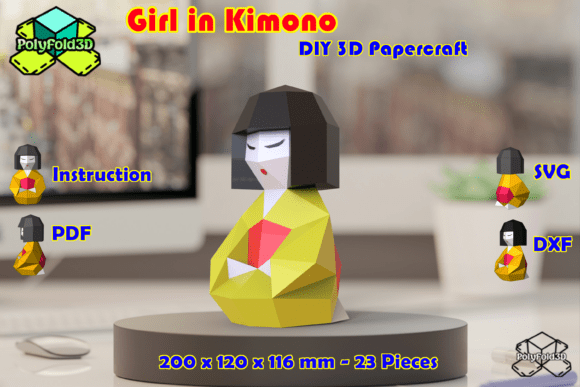
Upon opening the files, the immediate impression is one of serene elegance. The design captures the essence of traditional Japanese attire through a modern design lens, utilizing low-poly geometry to create a faceted, sculptural look. Unlike standard clipart or simple illustrations, this asset brings a tactile quality to the screen. It evokes feelings of calm, precision, and handmade care. For brands targeting audiences interested in wellness, travel, or artistic hobbies, this mood is invaluable. It signals that the brand values detail and craftsmanship. However, for ultra-corporate or high-tech sectors, the organic, paper-like texture might feel too soft unless juxtaposed intentionally against stark, industrial typography.
Integrating the Asset into Marketing Workflows
The true test of any design bundle is its adaptability across various marketing channels. I tested the Girl in Kimono DIY 3D Papercraft across several mediums to see where it shines.
- Social Media Graphics: On Instagram and Pinterest, the geometric facets of the 3D SVG file catch the eye immediately. The interplay of light and shadow inherent in the low-poly style creates natural visual interest, stopping the scroll more effectively than flat images.
- Packaging Design: For physical products, this asset works beautifully as a product label or a decorative element on boxes. The "papercraft" aesthetic aligns perfectly with eco-friendly or handmade packaging strategies.
- Web Design: When used as a hero graphic or section divider, the clean lines ensure the site remains fast-loading while adding a unique artistic flair that standard PNG design elements often lack.
- Email Banners: The asset serves as an excellent focal point in newsletters, drawing attention to seasonal offers or new blog posts without overwhelming the text.
Strategic Value for Brand Identity and Trust
Incorporating unique design assets like this directly impacts audience trust and professional branding. When a small business uses a distinctive SVG design rather than a ubiquitous stock photo, it suggests exclusivity and attention to detail. This specific model supports visual hierarchy by acting as a strong anchor point in layouts. Its intricate yet clean structure allows it to stand out against solid backgrounds or subtle gradients. For content marketing, using such a specific character helps build a recognizable visual language, making the brand more memorable in a crowded creative marketplace.
Ideal Use Cases for Maximum Impact
This asset is not a one-size-fits-all solution; it excels in specific contexts. It is ideally suited for:
- Campaign Headers: Perfect for launching products related to culture, art supplies, or meditation.
- Branded Templates: Incorporating this into Canva template kits adds immediate value for users looking for premium aesthetics.
- Editorial Layouts: The geometric nature pairs wonderfully with magazine-style spreads or digital lookbooks.
- Decorative Brand Elements: Use it as a watermark or a subtle background pattern to add depth to marketing visuals.
Limitations and Where to Exercise Caution
While versatile, there are scenarios where the Girl in Kimono DIY 3D Papercraft should be used carefully. In formal corporate branding that relies on strict minimalism, the detailed facets might introduce unwanted visual noise. Similarly, in dense information layouts or text-heavy ads, the complexity of the low-poly style could compete with the main message, reducing readability. It is also crucial to avoid placing this asset on low-contrast backgrounds; the subtle shading of the paper folds requires sufficient contrast to be appreciated. On very small mobile graphics, the fine details of the Ornaments may blur, so simplification or scaling is necessary.
Practical Notes for Designers and Marketers
Before deploying this asset in a commercial design project, several practical steps are essential. First, test it with your brand color palette. While the original design has a specific look, recoloring the vector layers can help it integrate seamlessly with existing brand guidelines. Second, check black and white usage to ensure the form holds up in monochrome print applications. Third, always preview it on mobile screens to confirm that the geometric details remain crisp on smaller displays.
Typography pairing is another critical consideration. This asset pairs exceptionally well with clean sans serif fonts to maintain a modern edge, or elegant serif fonts to enhance the traditional vibe. Avoid overly decorative script fonts or handwritten fonts that might clash with the precise geometric lines of the kimono. Finally, always confirm commercial licensing before using the asset in paid campaigns, client work, or for resale in digital product bundles. Ensuring you have the right commercial license protects your business and validates your small business branding efforts.
In conclusion, the Girl in Kimono DIY 3D Papercraft is a powerful tool for creators looking to elevate their visual content creation. It offers a unique blend of tradition and technology that, when used strategically, can significantly enhance brand identity and audience engagement.